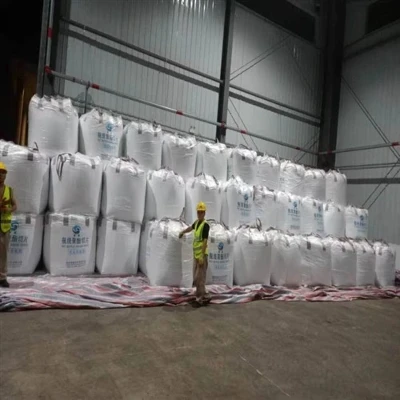
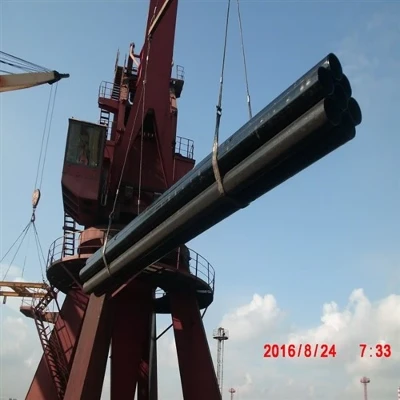
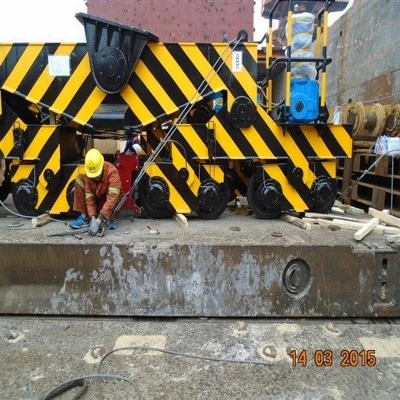
With the continuous improvement of people's modern living standards and scientific and technological progress, the demand for dangerous goods in society has significantly increased, which directly drives dangerous goods enterprises to develop more types of dangerous goods to meet these needs. Based on this, the International Maritime Dangerous Goods Regulations clearly stipulate that all personnel engaged in onshore operations of dangerous goods must participate in training in accordance with the relevant requirements of the regulations, such as dangerous goods manufacturers, packagers, warehouse operators, shipowners, freight forwarders, carriers, management personnel of shipping companies, ship inspectors, dangerous goods packaging manufacturing and inspection units, dangerous goods ground operators, and port operators and management personnel. The main training content of regulations generally includes: correct classification of dangerous goods, use of dangerous goods list, packaging regulations, packaging performance testing, substance identification, labeling and labeling, posting of danger notices, preparation of documents, loading and quarantine standards. Employees must hold a certificate and undergo retraining according to the updated intervals of regulations.
笔记