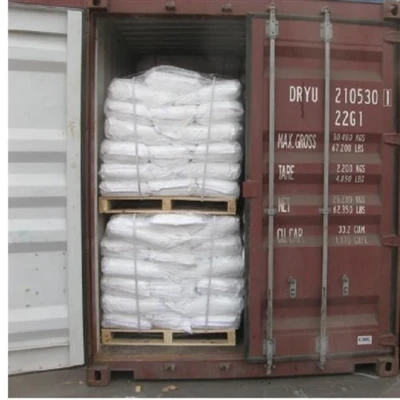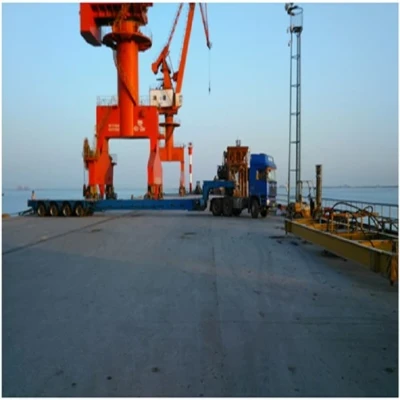



1. Sales: For the contracting of dangerous goods (chemicals), customers must be required to provide detailed information about their products, including correct Chinese and English names, ingredient lists, hazardous level, etc; And it is necessary to consult with the carrier (shipowner) in advance whether to carry the goods.
2. Quotation: Based on the specific shipping requirements of the customer, including product characteristics, destination port, shipping schedule requirements, delivery conditions, and other special requirements, make a preliminary quotation to the customer; The quotation table includes: sea freight+surcharges+dock fees+customs clearance fees+documents
Piece fee+trailer fee (+other agency fees); The approximate shipping schedule information should also be provided in the quotation sheet; Remember to never guarantee the shipping schedule to customers;
3. Letter of Authorization: The customer shall fill in specific information according to the content of the "Letter of Authorization for Transportation", complete and clear, and complete the content of the "Letter of Authorization for Transportation".
4. Booking and booking trailers: strict requirements and close attention to the timeliness of the towing company;
5. Container pick-up and loading: The complete set of customs declaration documents must be complete, and the customer must stamp their company's official seal on the relevant documents with specific requirements;
6. Customs declaration and release: Submit a complete set of documents to the customs, and the customs will review the documents and goods based on the customs declaration materials. Conduct random inspections or have the freight forwarder conduct self inspections (at their own risk), and collect taxes according to the category of goods, in accordance with national laws and regulations, and fill out a verification form to facilitate the owner's tax refund after the goods are exported. If the return is not qualified, re audit it.
7. Handover with the shipowner and shipping agent: After submitting the customs clearance slip, obtain the name and voyage information of the first vessel from the shipowner (agent) for the purpose of preparing the bill of lading; Verify the original bill of lading information with the shipowner (agent), deliver the freight to the shipowner (agent), and collect the shipowner's bill of lading (MB/L); Verify the bill of lading with the shipowner (agent), deliver the freight to the shipowner (agent), and arrange for electronic release procedures;
8. Issuance of bill of lading: Generally, after the goods are loaded into the container and returned to the site, the specific requirements of the bill of lading are confirmed with the customer, whether to issue the shipowner's bill of lading (MB/L) or the freight forwarder's bill of lading (HB/L), and the customer is required to provide information on the content of the revised bill of lading;
9. Collect shipping fees
10. Destination exchange order pickup